Suicide Cleanup Services
Suicide cleanup is the professional cleaning, disinfection and restoration of a home, vehicle or other property after a death by suicide, and it is work no grieving family should have to take on alone. Advanced Crime Scene Cleanup handles this work across the United States with care, privacy and respect for you, your home and the person you lost.
If you are reading this in the hours or days after a loss, please know that you do not have to decide everything right now. This page explains what happens, what it may cost, how insurance can help and where to find support. When you are ready, you can call us at +1 (817) 402 81-25, any hour of the day or night.
What is suicide cleanup?
Suicide cleanup is the safe removal of blood, bodily fluids and other biological material from a death scene, followed by disinfection and odor control so the space can be used again. It is a specialized form of biohazard remediation, separate from ordinary housekeeping.
Blood and bodily fluids can carry bloodborne pathogens such as hepatitis B, hepatitis C and HIV. These fluids do not stay on the surface. They soak into porous materials like carpet, carpet pad, upholstery, mattresses, drywall and wood subfloors, and they can leave odors that linger long after the visible stains are gone. Proper cleanup means finding and treating all affected material, including what is hidden underneath.
A suicide cleanup job may include:
Read moreShow less
- Removing and safely bagging contaminated materials
- Cleaning and disinfecting hard surfaces such as tile, countertops and fixtures
- Cutting out affected drywall, flooring or subfloor when fluids have soaked through
- Treating lingering odors at their source
- Cleaning fingerprint dust left by investigators
- Transporting biohazard waste for proper disposal
Sometimes a death is not discovered for several days, which changes the work involved and raises the question of who handles a decomposed body and the scene it leaves behind.
Who cleans up a decomposed body?
The coroner, medical examiner or a funeral home removes the body itself, and a biohazard cleanup company cleans the scene afterward. Neither police, the coroner nor the funeral home cleans the property.
When a death goes unnoticed, decomposition releases fluids and gases that spread farther than most people expect. Fluids can seep through flooring into subfloors and even into the ceiling of a room below. Odor can travel through air ducts and absorb into furniture, clothing and walls. Insects may also be present. This is why decomposition cleanup usually involves more material removal and more extensive odor treatment than a scene that was found quickly. Our unattended death cleanup covers these situations, including decomposition odor removal.
Whether a death was found right away or after some time, families often want to know how soon the cleaning itself can start.
Free, no-obligation estimates
Talk to Advanced Crime Scene Cleanup
Tell us what you need and we’ll take it from there.
When can cleanup begin after a suicide?
Cleanup can begin once law enforcement and the coroner or medical examiner have finished their work and released the property. Until then, the area is part of an investigation and must be left as it is.
Release can come within hours or may take longer, depending on the circumstances. Once the scene is released, it helps to call for cleanup as soon as you are able, because fluids continue to soak into materials and odors grow stronger over time. Faster cleanup often means less material has to be removed. You can call us before the scene is released; we can talk through what to expect and plan the next steps so you are not waiting alone.
In that waiting period, many people consider handling the cleanup themselves, and it is worth understanding why that is rarely a good idea.
At a glance
Why not clean it yourself?
Cleaning a suicide scene yourself exposes you to health risks and to an emotional burden that can deepen trauma, and household cleaning products usually cannot fully remove contamination from porous materials.
Professional biohazard crews use protective gear, regulated disinfectants and proper waste disposal methods, not standard household cleaning. Here is how the two approaches compare:
| Concern | Do-it-yourself cleaning | Professional suicide cleanup |
|---|---|---|
| Personal protection | Household gloves offer little protection from pathogens | Respirators, suits, eye protection and puncture-resistant gloves |
| Disinfection | Bleach and sprays clean surfaces but miss what has soaked in | Regulated disinfectants matched to the material, plus removal of what cannot be saved |
| Hidden contamination | Fluids under flooring or behind baseboards are easy to miss | Inspection of subfloors, walls and nearby areas |
| Waste disposal | Biohazard waste should not go in household trash | Bagged, labeled and transported for proper disposal |
| Emotional impact | Can leave lasting images and memories | Family is spared from seeing or handling the scene |
Knowing the risks, the next natural question is what a professional crew actually does once it arrives.
How does suicide scene cleanup work?
Suicide scene cleanup follows a set sequence: assess, contain, remove, clean, disinfect, deodorize and verify. Each step protects your family and the people who will use the space later.
- Phone conversation. We listen, answer questions and gather the basic details at whatever pace feels right to you.
- Free on-site inspection. We walk the property, identify every affected area and give you a written quote.
- Containment. We seal off the work area so contamination does not spread to other rooms.
- Personal items set aside. We look for belongings, documents and keepsakes and talk with you about what to clean, save or dispose of.
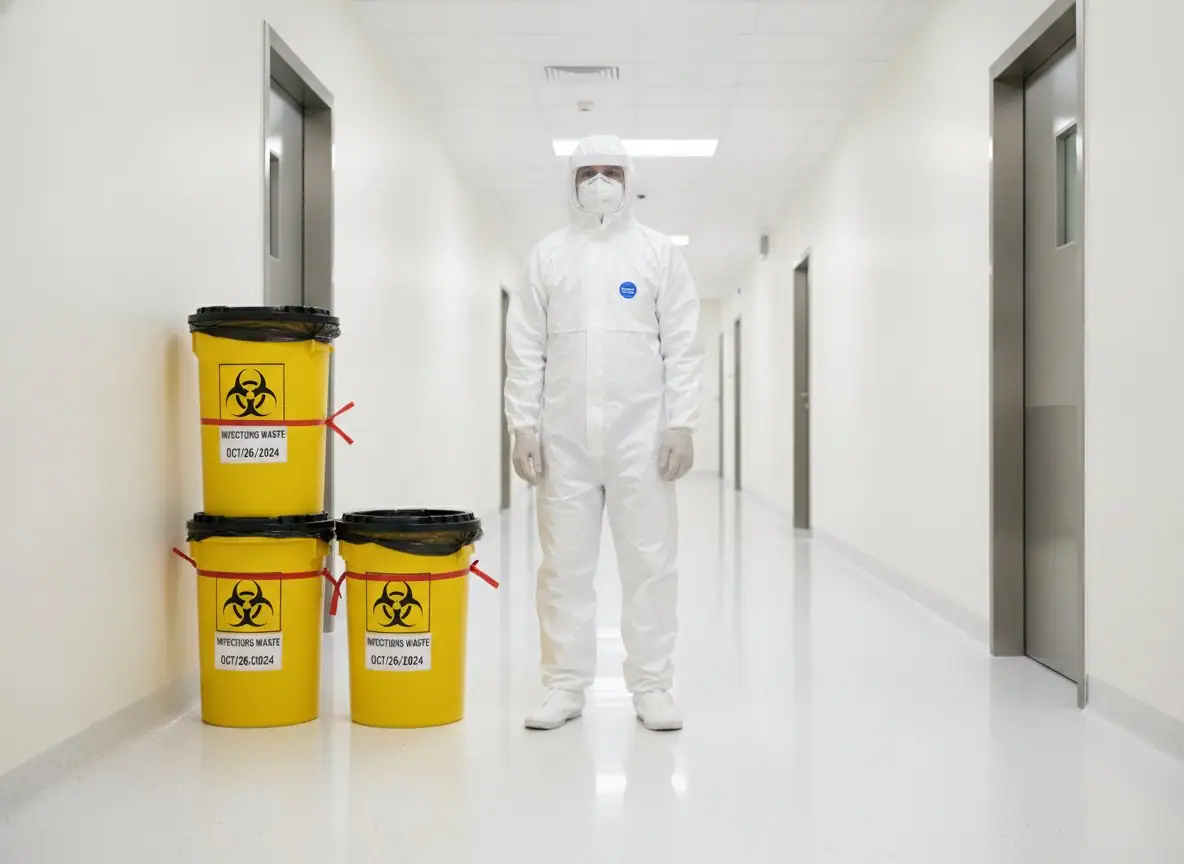
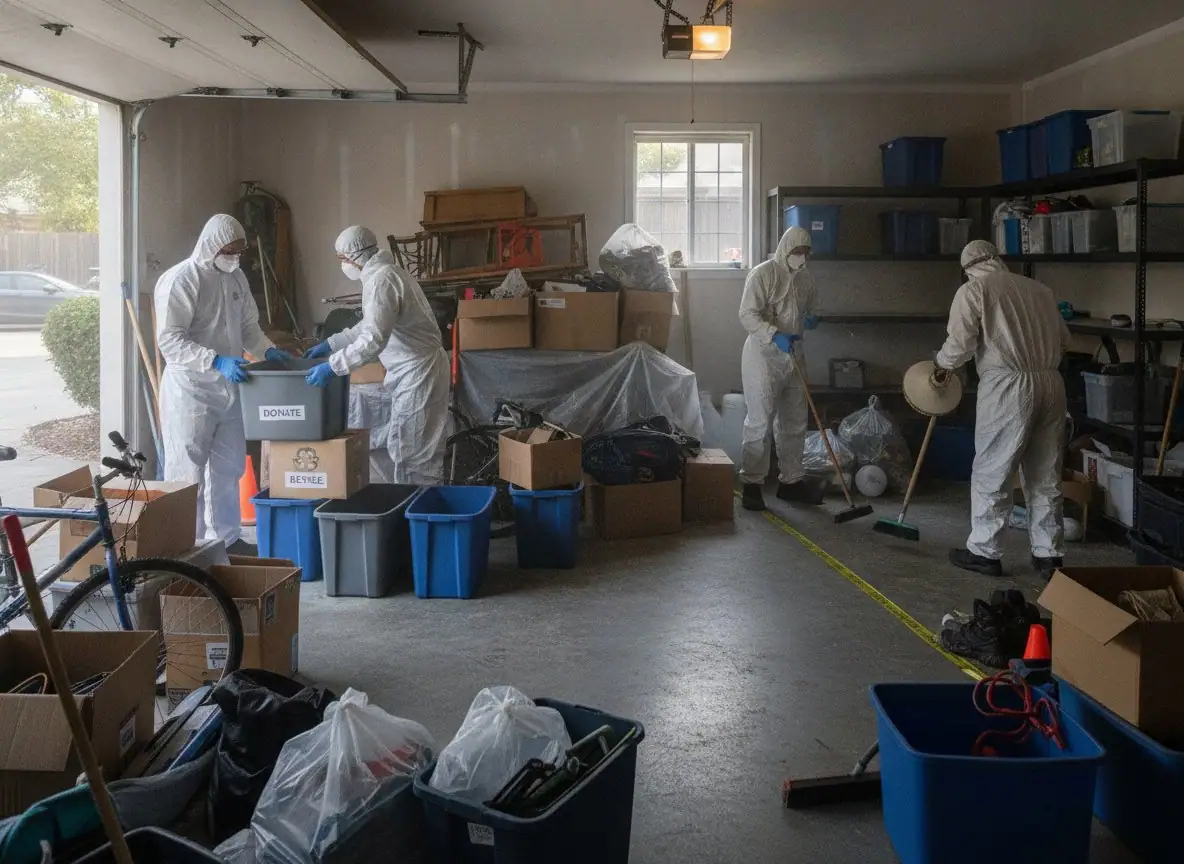
- Removal of contaminated materials. Carpet, pad, drywall, furniture or other items that cannot be safely cleaned are removed and bagged as biohazard waste.
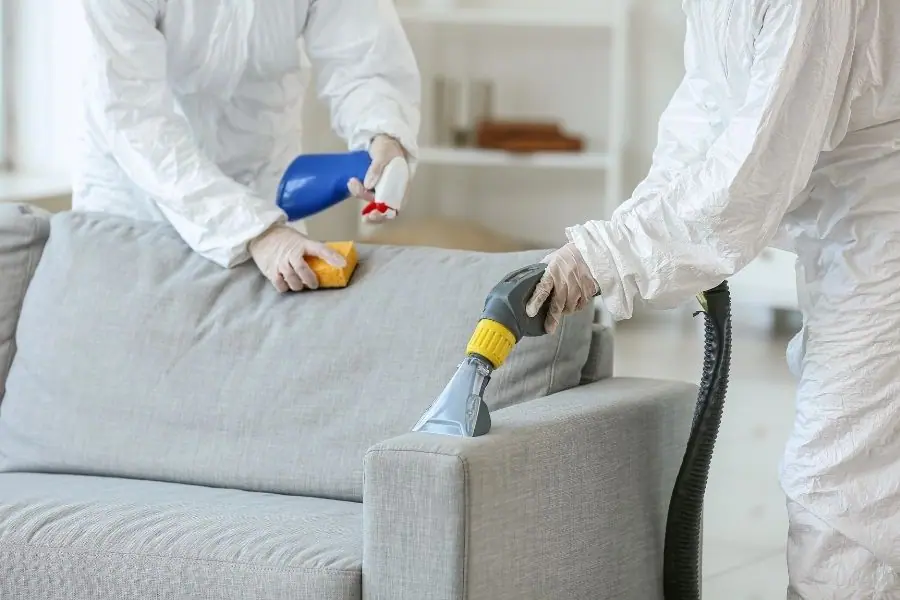
- Cleaning and disinfection. Hard surfaces are cleaned and treated with appropriate disinfectants, including our blood cleanup process for stains and residue.
- Odor treatment. We address odors at their source rather than covering them up.
- Waste disposal. Biohazard waste is transported for proper disposal.
- Final walkthrough. We review the work with you or your representative before we leave.
Once you know the steps, it is natural to wonder how long the whole process will take.
How long does suicide cleanup take?
Many suicide cleanup jobs are finished within a day, while larger or more complex scenes can take several days. The timeline depends on how much area is affected and what materials are involved.
Factors that affect the length of the job include:
- How long it was before the death was discovered
- Whether fluids reached subfloors, walls or other levels of the building
- The number of rooms or surfaces involved
- How much material needs to be removed and replaced
- How strong and widespread the odor is
We will give you a realistic estimate of the timeline during the free inspection. The same factors that affect time also drive the cost, which is the next thing most families ask about.
At a glance
How much does death cleanup cost?
The cost of death cleanup depends on the size of the affected area, the materials involved and how much needs to be removed, so we give every family a written quote after a free inspection. We do not quote prices without seeing the scene, because every situation is different.
| Cost factor | Why it matters |
|---|---|
| Size of the affected area | More square footage means more labor, disinfectant and protective equipment. |
| Type of materials | Porous materials like carpet and drywall often must be removed; hard surfaces can usually be cleaned. |
| Extent of damage | Fluids that reached subfloors, wall cavities or lower floors require more demolition. |
| Time before discovery | Decomposition increases removal work and odor treatment. |
| Access to the scene | Tight spaces, upper floors or vehicles can affect how the work is done. |
| Amount of biohazard waste | More waste means more containers and disposal handling. |
| Odor treatment needs | Strong or widespread odors may need additional treatment. |
Financing is available if you need it. You can read more about cleanup costs and insurance, and for many families the most important cost question is whether insurance will pay.
Does insurance cover suicide cleanup?
Many homeowners and renters insurance policies cover suicide cleanup as part of property damage, though coverage depends on your specific policy. It is worth checking before assuming you will pay out of pocket.
A good place to start is to call your insurance company or agent, explain that a death has occurred in the home and ask whether biohazard remediation is covered under your property coverage. Landlords and property owners should check their property or commercial policies. Vehicle cleanup may fall under an auto policy.
Insurance claim help: We help homeowners with insurance claims. We can document the scene, provide the written estimate and itemized details your insurer may request and communicate with your adjuster, so you do not have to manage paperwork while you are grieving.
Cleanup and paperwork are only part of what happens after a loss, and the people left behind deserve support of their own.
What are suicide loss survivors, and where can families find support?
Suicide loss survivors are the family members, friends, partners and coworkers who are grieving someone who died by suicide. Their grief often comes with shock, guilt, anger and questions that may never be fully answered, and support can make a real difference.
If you or someone you know is struggling, call or text 988 to reach the 988 Suicide & Crisis Lifeline in the U.S. It is free, confidential and available 24 hours a day. The Lifeline is also there for people who have lost someone and need to talk.
Other places to turn include:
- Local suicide loss survivor support groups, often found through hospitals, hospices or community mental health centers
- Grief counselors and therapists experienced with traumatic loss
- Faith leaders and community organizations
- Your doctor, who can refer you to mental health care
Letting someone else handle the cleanup can give you room to grieve, which is why choosing the right company matters.
How do you choose a compassionate suicide cleanup company?
Choose a suicide cleanup company that answers the phone at any hour, explains its process clearly, gives a written quote after an inspection and treats your family with patience and privacy.
Questions worth asking any suicide cleanup company:
- Are you available 24/7?
- Is the inspection and estimate free, and will I get the quote in writing?
- Do you help with insurance claims?
- Are you insured?
- How do you handle personal belongings and keepsakes?
- How do you dispose of biohazard waste?
- How do you protect our privacy?
Advanced Crime Scene Cleanup is insured, offers free inspections, helps with insurance claims, offers financing and answers calls 24/7. We keep your situation private, speak quietly and respectfully on site and share details only with the people you authorize. We also provide biohazard cleanup services for a wide range of other situations. If you feel ready to talk, the last step is simply to reach out.
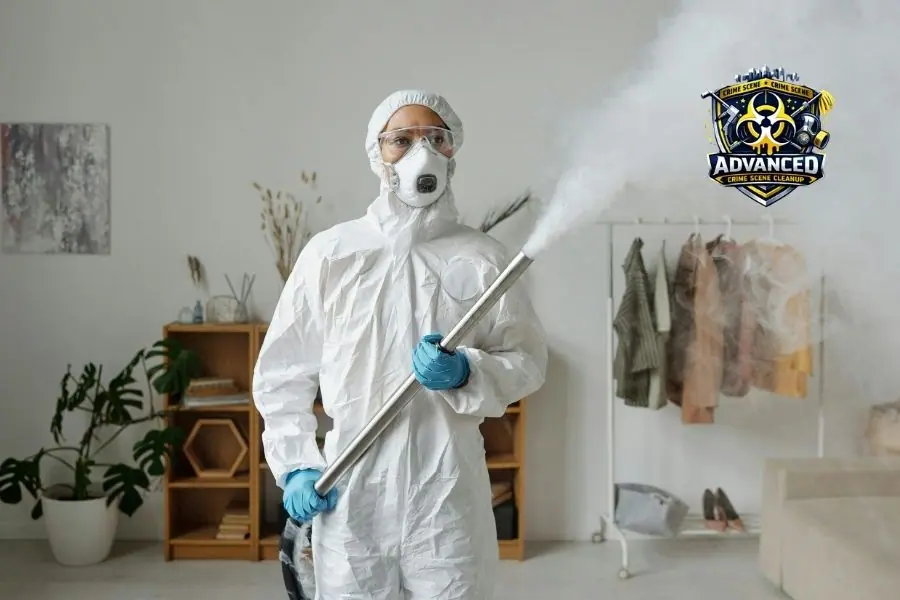
Call us any time, 24/7
You can call Advanced Crime Scene Cleanup at +1 (817) 402 81-25 at any hour, day or night, every day of the year. A real conversation is the easiest way to understand your options.
When you call, we will listen first, answer your questions and schedule a free on-site inspection when you are ready. Before or after the call, it can help to check your homeowners insurance coverage, request an on-site biohazard estimate and confirm that service is available at your location. We are a 24/7 crime scene cleanup company serving families, landlords and property owners, and you can also reach us through our contact page. Below are answers to other questions families often ask.
FAQ
Frequently asked questions
Does the coroner or police clean the scene?
No. Police and the coroner or medical examiner investigate and remove the body, but they do not clean the property. Cleanup is the responsibility of the property owner, who usually hires a biohazard cleanup company once the scene is released.
Will neighbors know what happened?
We work to keep your situation private. Our crews arrive quietly, keep conversations on site respectful and do not share details with anyone you have not authorized. If you have concerns about attention from neighbors, tell us during your call and we will talk through how to minimize it.
Can a landlord or property manager request cleanup?
Yes. Landlords, property managers and property owners can request cleanup after a tenant death. We work with owners and, when appropriate, coordinate with the tenant's family about personal belongings. Our tenant death cleanup service is designed for these situations.
What happens to belongings?
We set aside personal items, documents, photos and keepsakes whenever possible and talk with you about each decision. Items that can be safely cleaned can be kept. Items too contaminated to save are disposed of only with your knowledge.
Is a free estimate really free?
Yes. The on-site inspection and written estimate are free, and you are under no obligation to hire us afterward.
Can I be present during cleanup?
For your safety, family members should stay out of the work area while contaminated materials are being removed. You are welcome to be nearby, check in with the crew and join the final walkthrough. Many families find it easier to be elsewhere, and we can keep you updated by phone.
When you are ready, call +1 (817) 402 81-25 for a free inspection. We are here 24/7.
Why choose us
Why choose Advanced Crime Scene Cleanup?
Free estimates
Get a clear, no-obligation estimate before any work begins.
Licensed & insured
Your property and our crew are protected on every project.
Residential & commercial
One team for homes, multi-family and commercial properties.
Locally owned & operated
A local team serving your community and the surrounding area.
Get in touch
Find crime scene cleanup help near you
Request a free estimate online or give us a call — our team will follow up quickly.
- Call us+1 (817) 402 81-25
- Hours24h